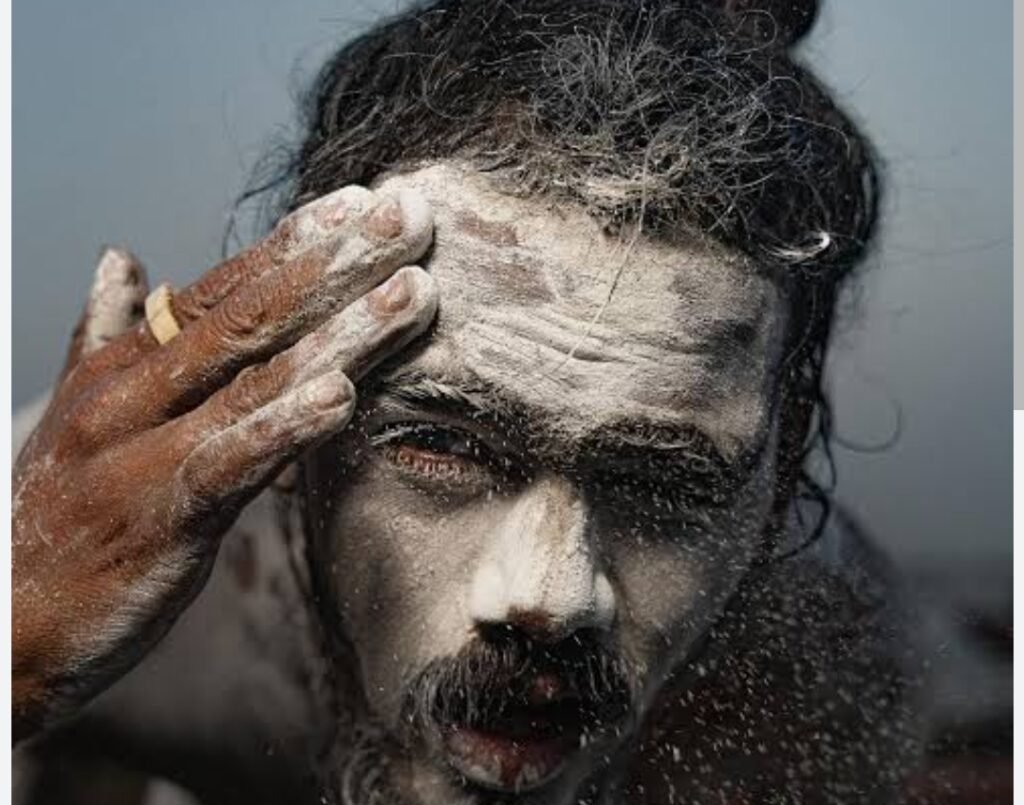
In the rich tapestry of Hindu traditions, few symbols carry as profound a meaning as bhabhuti, more commonly known as vibhuti or bhasma. This sacred ash, derived from the remnants of ritualistic fires—often involving burnt cow dung, wood, ghee, herbs, and other purifying elements—serves as a bridge between the material and the spiritual worlds. Revered particularly by devotees of Lord Shiva, bhabhuti is not merely a mark on the skin but a potent emblem of life’s impermanence, purity, and divine energy. Applied as a tilak or streak on the body, it has been a cornerstone of spiritual practice for millennia, reminding practitioners of their ultimate return to ash while fostering inner transformation.
Cultural and Spiritual Significance
At its core, the application of bhabhuti embodies detachment and enlightenment. In Hinduism, it symbolizes the burning away of ego, desires, and worldly attachments, much like how fire reduces everything to ash. This act serves as a constant reminder of mortality: the human body, vibrant and active in life, ultimately dissolves into nothingness, urging devotees to transcend material illusions and seek higher truths. For Shaivites, smearing bhasma across the forehead in three horizontal lines (known as tripundra) represents the three gunas (qualities of nature)—sattva (purity), rajas (activity), and tamas (inertia)—and invokes Lord Shiva’s grace, who is often depicted with his body covered in ash.
Spiritually, bhabhuti is believed to enhance receptivity to divine energies. It acts as a medium for transmitting subtle vibrations, directing and controlling the body’s energy system, or prana. By applying it, one invites protection from negative forces, evil spirits, and external disturbances, creating a shield that promotes inner peace and spiritual elevation. Ancient texts like the Shiva Purana emphasize that each particle of ash on the skin is akin to a sacred lingam, purifying the soul and rendering actions more fruitful when performed with this mark. In broader cultural contexts, it fosters a sense of unity, as all matter—whether wood, metal, or the human form—reduces to the same unchanging ash, symbolizing advaita (non-duality) and the oneness of existence.
Beyond personal devotion, bhabhuti plays a role in rituals and community practices. It is distributed as prasadam in temples, applied to the sick or children for blessings, and even used in tantric traditions for self-protection. Its greyish-white hue reflects the illusion (maya) of the world, blending light and darkness, and is seen as a mark of divine glory that attracts higher cosmic forces.
Application: A Ritual of Intention
The power of bhabhuti lies not just in its composition but in how and where it is applied. Traditionally, a small pinch is taken between the thumb and ring finger and smeared at key energy centers, or chakras. At the agna chakra (between the eyebrows), it enhances knowledge and intuition; at the vishuddhi chakra (throat pit), it amplifies personal power and influence; and at the anahata chakra (center of the chest), it opens the heart to love and compassion. Additional points, such as the arms or navel, may be used for broader protection. This mindful application turns a simple act into a meditative practice, aligning the practitioner with cosmic rhythms and making them more sensitive to spiritual influences.
Scientific Insights and Health Benefits
While bhabhuti’s spiritual importance is deeply rooted in tradition, modern inquiries have explored its potential health benefits, drawing from Ayurvedic principles and preliminary scientific analyses. In Ayurveda, bhasma (including vibhuti) is regarded as a form of nanomedicine—finely processed ashes that facilitate rapid absorption into the body. These preparations maintain bodily alkalinity, provide bioavailable minerals like calcium, and support organ cleansing, potentially alleviating conditions such as insomnia, depression, anemia, and irregular heart rhythms.
Research highlights vibhuti’s antimicrobial and anti-inflammatory properties, attributed to its herbal and mineral content. For instance, when applied to the skin, it can absorb toxins, balance doshas (particularly kapha), and offer natural protection against infections. Studies suggest its cooling effect relieves headaches from heat exposure by evaporating moisture and calming the nervous system. The alkaline nature and trace elements (such as gold in some preparations) may contribute to wound healing and stress reduction, with some analyses showing high positive energy vibrations via tools like the Universal Thermo Scanner.
Anecdotal surveys, such as one where 88% of participants reported physical benefits and 86% noted mental health improvements, underscore its holistic impact, though rigorous clinical trials remain limited. Vibhuti’s ability to absorb excess skin moisture may prevent common colds, while its analgesic herbs provide pain relief. These findings align with ancient wisdom, viewing bhasma as a transformative substance that breaks down heavy metals and restores tissue balance without producing harmful metabolites.
Further scientific exploration positions bhasma as biologically produced nanoparticles, with particle sizes reduced to 1-2 micrometers or even 25-57 nanometers in preparations like Swarna Bhasma (gold ash), enabling enhanced absorption and assimilation without gastrointestinal irritation. This nano-scale structure allows for targeted therapeutic effects, such as hepatoprotective actions against liver damage (e.g., in Tamra Bhasma and Abhrak Bhasma, which reduce lipid peroxidation and enhance antioxidant enzymes like superoxide dismutase). Experimental evidence includes animal studies where Mandura Bhasma increased hemoglobin levels and protected against chemically induced hepatitis, while Swarna Bhasma demonstrated analgesic, immunomodulatory, and antioxidant properties without toxicity in chronic administration.
Vibhuti’s mineral composition—often including calcium carbonate, magnesium, phosphorus, potassium, and trace iron—supports bone health, muscle function, and antioxidant defense. Its antibacterial and antifungal qualities, derived from sources like cow dung ash or herbs such as neem and arjuna bark, inhibit microbial growth, making it useful for skin conditions like acne or minor infections. Dermal absorption of elements like gold has been evidenced in studies, potentially contributing to systemic benefits. Additionally, bhasma preparations show promise in treating respiratory issues, arthritis, tuberculosis, and even anti-ulcer effects (e.g., Sankha Bhasma protecting against duodenal ulcers by enhancing glandular secretions). While these benefits are supported by Ayurvedic texts and preliminary research, challenges like standardization, potential contaminants, and the need for more clinical trials highlight areas for further investigation.
Embracing the Eternal Flame
In an era of fleeting distractions, applying bhabhuti offers a timeless anchor—a simple yet profound ritual that harmonizes body, mind, and spirit. Whether viewed through the lens of devotion or science, it invites us to burn away the superfluous and embrace purity. As a daily practice, it not only protects and heals but also elevates, turning ordinary moments into steps toward enlightenment. For those seeking deeper connection, incorporating this sacred ash could be the spark that ignites inner transformation.